
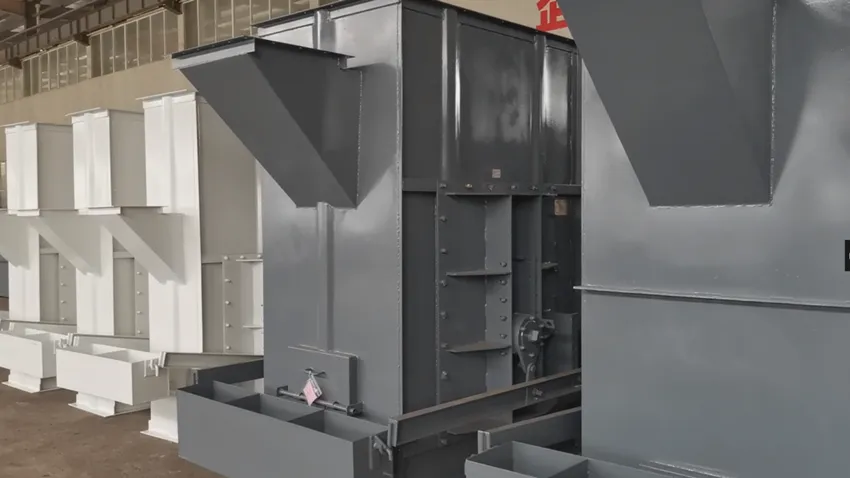
As a core material handling equipment, the lubrication and maintenance of the bucket elevator‘s bearing housings directly impact its operational efficiency and service life. Many users experience bearing wear, equipment jamming, or even costly downtime due to neglecting lubrication or improper procedures. This article details the correct method for greasing bucket elevator bearing housings.
I. Preparation
Select Tools: Prepare a high-pressure grease gun, ensuring it is clean and free of contaminants.
Choose Grease: Use high-temperature lithium-based grease.
Locate Grease Fitting: Find the grease nipple (usually brass or steel with a dust cap) on the bearing housing at the elevator’s bottom section.
Clean: Wipe the grease nipple surface clean to prevent dust from entering the bearing.
II. Lubrication Procedure
Connect: Firmly attach the grease gun nozzle to the nipple, ensuring a tight seal to prevent leakage.
Inject Grease: Press the grease gun handle evenly, injecting approximately 10ml of grease per application.
Observe: Check for old grease seeping out around the seal. This indicates that new grease has filled the bearing cavity.
III. Lubrication Schedule
Standard: Lubricate every 10 days.
Harsh Conditions (High Temp/High Load): Shorten the interval to every 7 days.
Inspect Grease: Regularly check the grease condition. If it appears blackened or hardened, clean the housing thoroughly and replace with fresh grease.
IV. Important Precautions
Avoid Over-Lubrication: Excessive grease can cause bearing overheating and seal damage.
Use Quality Grease: Low-quality grease oxidizes easily, accelerating bearing wear. Always use the recommended type.
Long-Term Storage: Before extended shutdowns, apply sufficient grease and perform manual rotation of the equipment to prevent bearing corrosion.
Following these methods significantly reduces bearing failure rates and extends the service life of your bucket elevator. Save this guide for your next maintenance session – it’s a hassle-free way to ensure smooth operation!