
SOLUTIONS
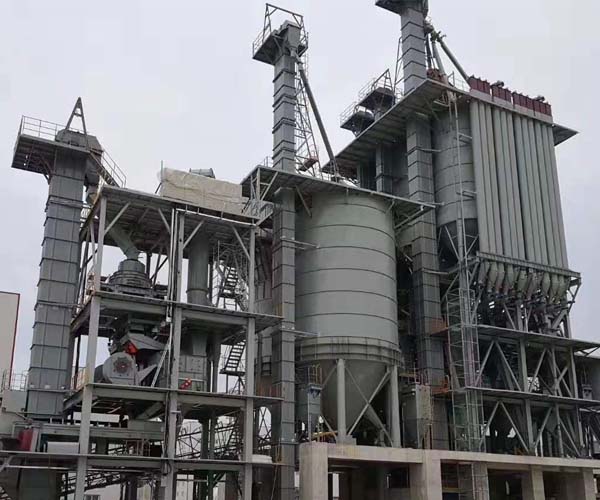
Sand & Gravel Operations
When selecting lifting and conveying equipment for a sand and gravel production line, the following factors are primarily considered:
· Material characteristics: Particle size, moisture content, adhesiveness, abrasiveness, temperature.
· Process requirements: Conveying capacity (t/h), conveying distance, lifting height, installation angle.
· Site layout: Whether the production line is arranged horizontally or vertically, and whether the space is compact.
· Investment and operational costs: Equipment purchase cost, installation difficulty, energy consumption, and maintenance costs.
· Environmental requirements: Whether a fully sealed design is needed to prevent dust leakage.
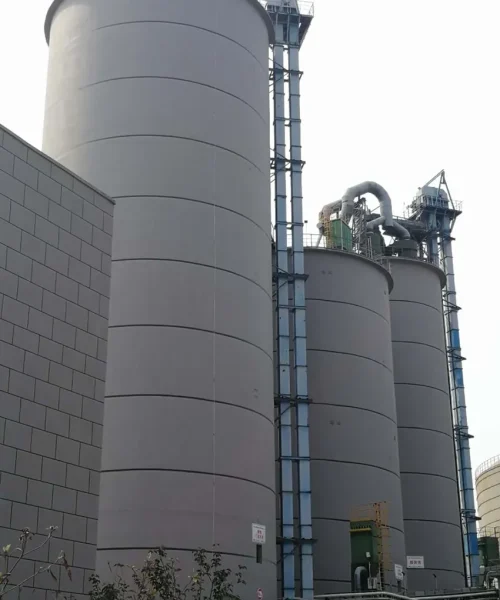
Cement Plants
Selecting conveying equipment for a cement plant can follow the logical process below:
· Analyze the material: What is it? Powder, granules, or lumps? How heavy? How abrasive? How hot?
· Define process requirements: How much needs to be conveyed? (Capacity) How far? (Distance) How high? (Lifting height) Where will it be used? (Functional requirements of the workstation)
· Preliminary type selection: Based on steps 1 and 2, determine whether to use a belt conveyor, bucket elevator, chute, or scraper conveyor.
· Determine specifications: Based on capacity and distance, calculate and confirm the specific model, power, speed, and other parameters of the equipment.
· Special design considerations: Determine whether special designs are needed, such as wear resistance, heat resistance, corrosion resistance, sealing, or explosion-proof features.
· Cost evaluation: Compare the initial investment and long-term operational costs of different solutions, and select the most economical option over its entire lifecycle.
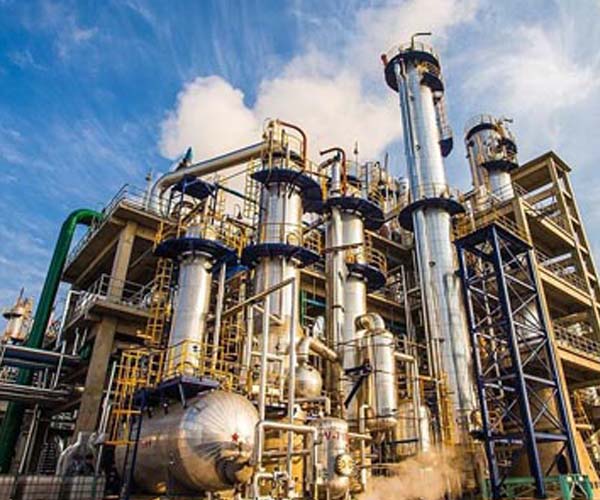
Chemical Processing
When selecting lifting and conveying equipment for a chemical plant, safety is the top priority. The following factors must be systematically considered:
· Material Characteristics:Is the material powder, granules, or slurry? Is it corrosive, toxic, flammable, or explosive?
· Process Requirements:Is horizontal or vertical conveying required? Continuous or batch operation? What are the required conveying capacity and distance?
· Safety and Compliance:Is explosion-proof, fire-resistant, non-toxic, or food-grade certification necessary?
· Sealing and Environmental Protection:Is zero leakage required? Is the material valuable or hazardous?
· Operation and Maintenance:Is easy cleaning necessary? How frequently will product varieties be changed?
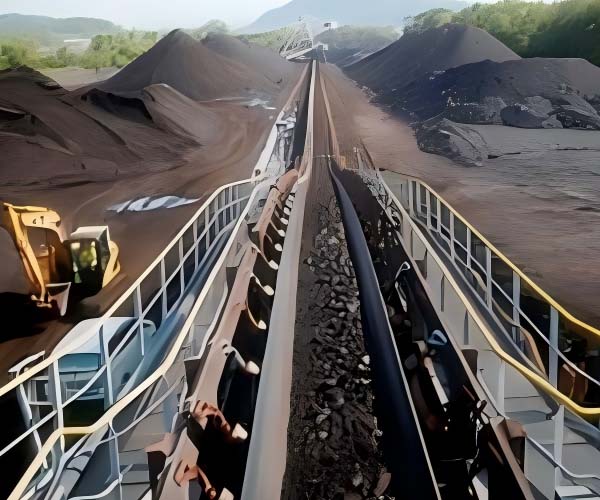
Mining & Mineral Processing
In the mining sector, the selection principle is to “prioritize the most robust, reliable, and maintenance-friendly equipment that meets process requirements.” Key considerations include:
· Material Characteristics
Particle size, moisture content, abrasiveness, density.
· Process Requirements
Conveying capacity (t/h), conveying distance, lifting height, installation angle.
· Operating Environment
Open-pit or underground mines, dusty or humid conditions, ambient temperature.
· Investment and Operational Costs
Initial equipment investment, power consumption, maintenance costs, and frequency of replacing wear-prone parts.
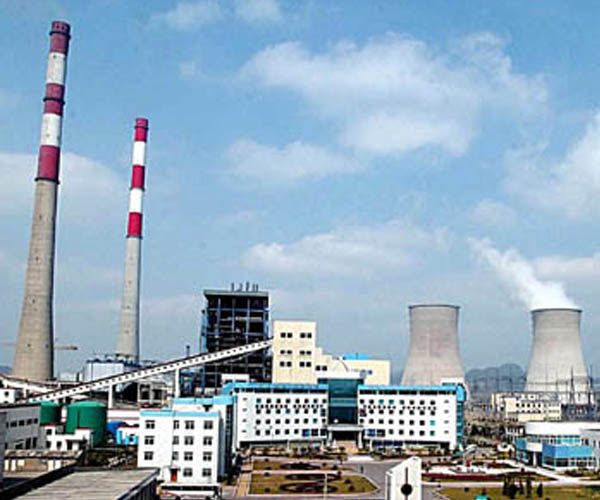
Power Plants
The core principles for equipment selection in power plants are:
· Extremely High Reliability:
Power generation is a continuous process. Failures in the conveying system can lead to load reduction or even unit shutdown, resulting in significant losses. Dual-path systems are often adopted for redundancy.
· Strong Processing Capacity:
The system must match the high consumption rate of power generation units.
· Exceptional Environmental Performance:
Fully enclosed conveying to control dust and meet ultra-low emission standards.
· High Level of Automation:
Integration into the plant’s DCS/SIS control systems to enable unmanned operation and remote monitoring.
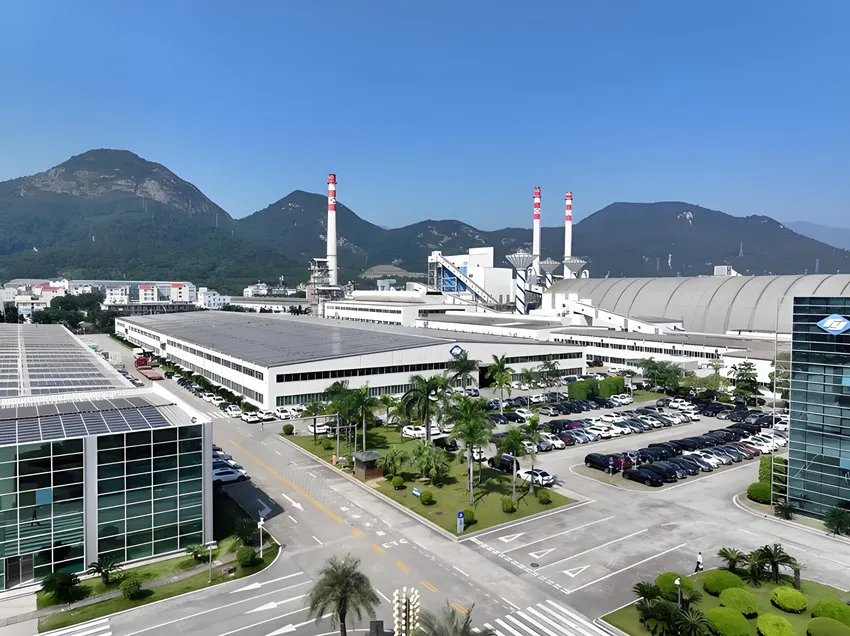
Glass Manufacturing
For the batching workshop in a glass factory,the following factors must be considered:
· Corrosiveness of Raw Materials:Stainless steel must be used for all material-contact parts.
· Process Precision Requirements:The equipment must seamlessly integrate with a precision metering system.
· Contamination Prevention Requirements:A fully enclosed design is essential, along with easy cleaning capabilities or dedicated production lines.
· Abrasiveness of Raw Materials:Wear-resistant design is required for components in contact with materials.
· System Reliability:Equipment must be robust, durable, and have a low failure rate.
Please Leave a Message
Please send us your request and we will reply to you within 24 hours.
Contact Us
Please feel free to contact us!
+61431809988
Contact Us
Please feel free to contact us!
+61431809988
Need help? We are here waitting for you
Our professional team can customize the solution according to your needs and answer your questions