
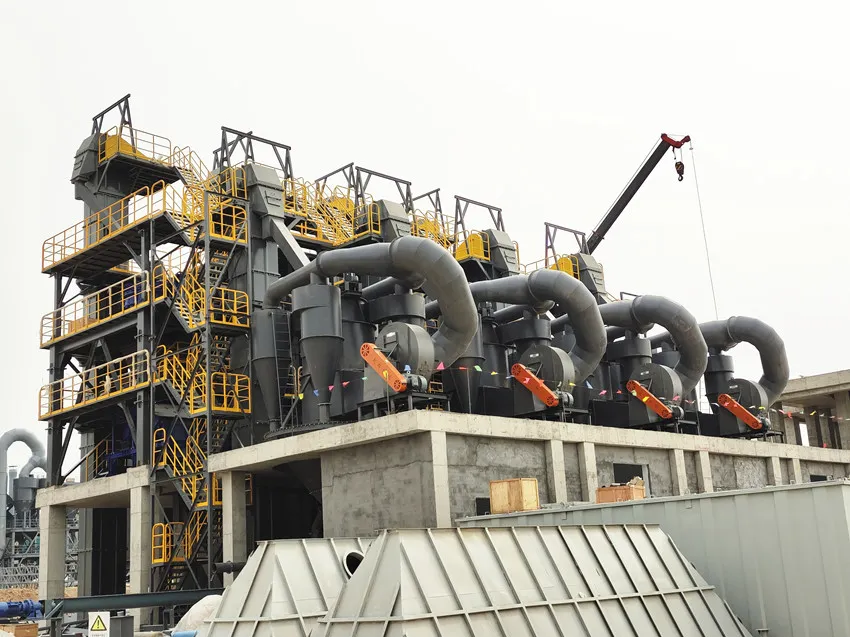
As a critical component in vertical material handling for production lines, bucket elevators are indispensable for many enterprises. Customers often inquire: “How much does a bucket elevator cost?” Below, HBTY explains the key factors influencing pricing.
-
Material
Bucket elevators can be constructed from standard carbon steel, stainless steel, or specialized alloys. Material choice significantly impacts cost. For example:-
Carbon steel offers lower costs and suits general environments.
-
Stainless steel or alloy elevators provide superior rust/corrosion resistance for harsh conditions (e.g., humidity, chemicals), extending service life but increasing upfront investment.
-
-
Specifications & Model
Technical parameters are primary pricing factors:-
Lifting height
-
Conveying capacity
-
Bucket size and design
Higher throughput or complex configurations raise manufacturing costs.
-
-
Component Quality
Critical parts (motors, chains, bearings) vary greatly in price and reliability:-
Premium components (e.g., internationally branded motors) ensure stability, energy efficiency, and durability—at higher procurement costs.
-
Low-quality alternatives may reduce initial expenses but increase failure rates, maintenance costs, and unplanned downtime.
-
-
Manufacturing Process
Advanced techniques enhance product quality and efficiency:-
Automated welding delivers more uniform/seamless joints than manual methods, improving structural integrity and longevity.
-
Conclusion
When evaluating bucket elevator prices, never prioritize cost alone. A holistic assessment of performance, quality, after-sales support, and total value is essential to select a cost-effective solution tailored to your production needs.